Barefoot Massage Training: How to Choose the Right Course
Nov 10, 2026Barefoot Massage Training: How to Choose the Right Course
You've seen a barefoot massage clip. Maybe a client asked if you do it. Maybe your thumbs are telling you it's time.
Now you're searching "barefoot massage training" and getting a wall of options. Different names. Different equipment. Different price tags.
I've been there. I trained in three levels of Ashiatsu, then trained in Sarga Bodywork, and now I teach Sarga to therapists in Nevada, California and Texas. I'm the only Sarga instructor in those three states.
Here's how I'd choose a course if I were starting over.
Start with the support system
Every barefoot method needs a way to keep you balanced and in control of your weight. That one choice shapes everything else: your space, your cost, and how the work feels.
The two most common setups:
- Overhead bars. Traditional Ashiatsu uses bars above the table. Some schools sell portable bar systems too.
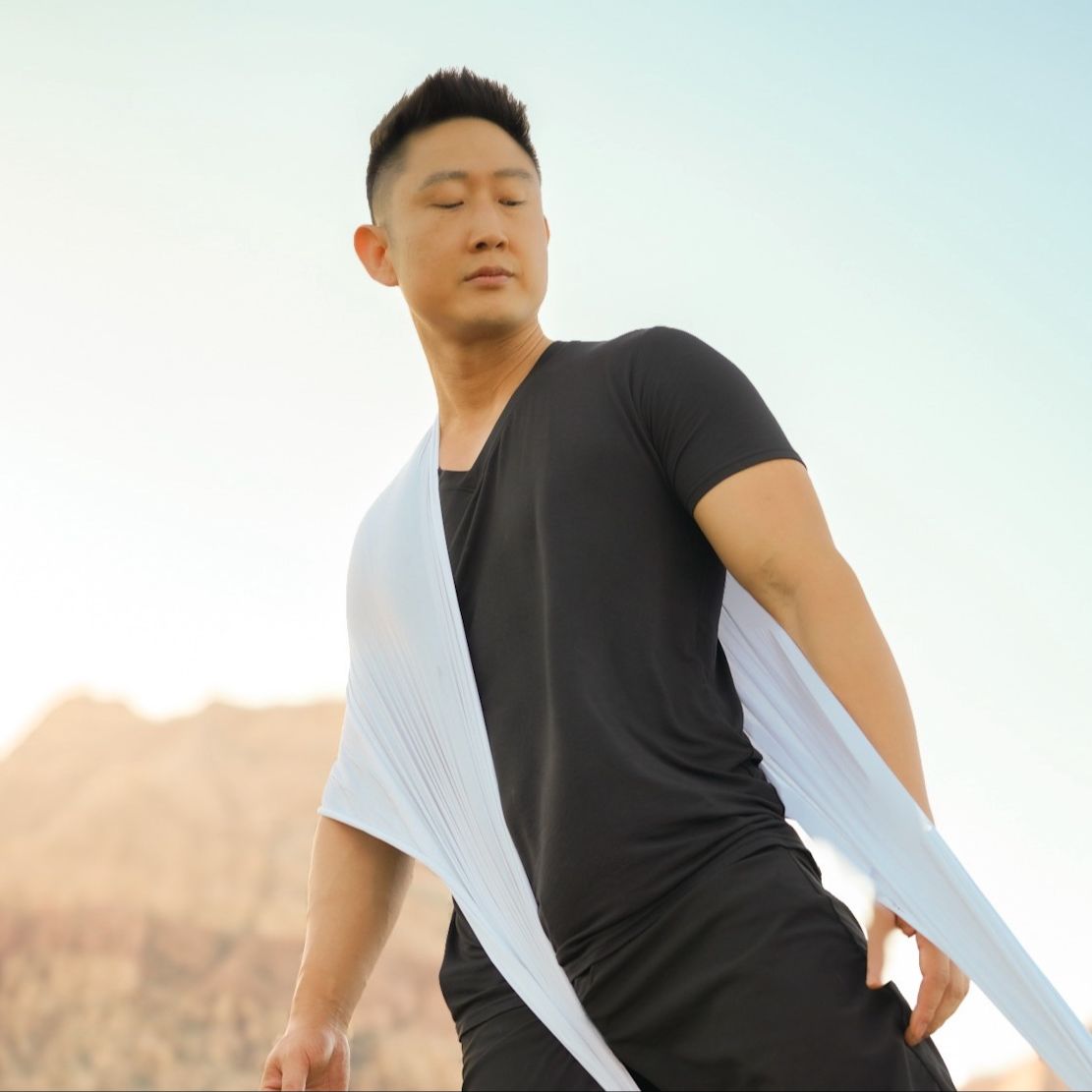
- A strap anchored to the table or floor. Sarga uses a fabric strap (the Sarga Silk) fastened with patented hardware. No ceiling install.
Ask yourself:
- Do you own your room, or rent by the hour?
- Do you do in-home or mobile sessions?
- Could you install ceiling bars where you work, and would you want to?
If you move around, portability matters more than you think. I break down the differences in detail in Sarga vs Ashiatsu: Which Barefoot Massage to Learn?
Look at the style of work, not just "deep"
Every barefoot course will promise deep pressure. That's not what separates them.
Ask what the strokes actually feel like:
- Gliding and flowing, with oil or cream, like Swedish done with feet?
- Slow, high-tack myofascial work that grips and stretches tissue?
- Compression-focused, with less movement?
Sarga is slow, sustained, high-tack work with myofascial technique at its core. Some therapists love that. Some prefer a flowing style. Pick the one you'd actually want to give eight times a week.
If you already do deep tissue with your hands, don't assume every barefoot class will feel the same, just bigger. The contact surface is larger, and the pace is often slower. Try to take a session in the method before you enroll, or watch a full session, not just highlight clips.
Check class size and hands-on time
Barefoot work is a physical skill. You learn it through your feet and your balance, not from slides.
Questions worth asking any provider:
- How many students per class?
- How many hours are hands-on versus lecture?
- Will an instructor watch my body mechanics and correct them in real time?
- Do I practice giving and receiving?
My Sarga 101 classes cap at 8 students. With a small group, I can correct your stance, pressure and flow while you're working, not after you've built a bad habit.
If a class is large, ask how many instructors will be in the room. A demo at the front is not the same as someone watching your foot placement at the table.
Know what you'll walk away with
A good course should leave you able to work on a paying client soon after. Ask:
- Will I learn a complete, full-body routine?
- Is there online material to review after class?
- What equipment do I need to buy to practice at home?
In Sarga 101, you learn a complete 90-minute barefoot protocol, and you get lifetime access to the Sarga 101 online library. You can see the full breakdown on my Sarga Bodywork 101 training page.
A sampler of moves can feel exciting in class and fall apart on Monday. A complete protocol gives you something to practice and, once you've met that method's advertising rules, put on your menu.
Confirm the CE hours actually count for you
If you need hours for your license, don't assume. Check two things:
- Who approved the hours? For example, Sarga 101 earns 35 NCBTMB-approved CE hours, approved through Sarga Bodywork's NCBTMB provider number (#1431), when you complete the in-person and online portions.
- Does your state accept that approval? Nevada and Texas both accept NCBTMB-approved CE, with conditions. Texas, for example, doesn't accept technique CE taken online. California's CAMTC certification has no CE requirement.
I wrote a separate guide to massage CE requirements in Nevada, Texas and California. Always confirm with your own board before you rely on a course for renewal.
Course completion vs certification
This trips a lot of people up.
Finishing a course gets you a certificate of completion. That's not always the same as being certified to advertise the method.
With Sarga, completing 101 gives you CE hours and the skills. If you want to advertise SARGA BODYWORK services or use the logo, there's a separate certification process with practice sessions and a live evaluation. I explain the steps in Sarga 101 vs Sarga Certification.
Ask any barefoot provider the same question: "What exactly can I say I'm trained or certified in after this class?"
Be honest about prerequisites and fitness
Barefoot work is physically demanding to learn at first. Good programs tell you that up front.
For Sarga in-person classes:
- One year of hands-on manual therapy experience is recommended.
- You must meet your state's licensing requirements.
- You don't need to be super strong. Sarga uses leverage and bodyweight. Being coachable matters more than being athletic.
There are also fitness and weight guidelines, because students practice on each other and the equipment has limits. If you're outside a listed range, email me before you book. Exceptions are often made case by case. We can talk about safe modifications, including a floor setup when that is the better option.
Floor, raised table, or both
Some barefoot methods are built around a standard raised table. Some are taught on the floor or a low table. Sarga can be taught either way, and some classes offer both.
Think about where you actually work:
- If you already have a portable or stationary table you like, a raised-table method may fit faster.
- If you do mat work, house calls, or share a room where ceiling bars or a tall setup isn't practical, a floor or strap-based option can be easier to take home.
Ask the instructor which setup the class uses, what you'll practice on, and what you'll need after class. The right answer is the one that matches your real work setting, not the one that looks nicest in a photo.
What happens after class matters as much as the weekend
The therapists who keep the skill are usually the ones who practice right away.
Before you pay, ask:
- Is there review material I can use at home?
- Is there a student or alumni group for questions?
- How soon should I start practicing, and on how many different people?
- If this method has a separate certification, what does that involve?
For Sarga, I tell students to book practice sessions before they leave class, while the protocol is still fresh. The online library is there so you can review a technique instead of guessing. If you plan to get certified, those practice sessions also count toward the required feedback forms. Don't wait two months and hope it comes back.
You may have to travel, and that's okay
Searches like "barefoot massage training near me" are common, and I get why. Nobody wants to add flights to tuition if they don't have to.
At the same time, specialized hands-on training is often taught in hubs, not in every town. I teach in Nevada, California and Texas, in cities that have included Las Vegas, Austin, Dallas, Houston, San Diego and, when there's enough interest, the Bay Area. If you don't see a date near you, you can request Sarga in your city.
If you do travel, wait until the class is confirmed before you buy nonrefundable tickets, and ask about the instructor's transfer and refund policy. On my classes, tuition is refundable up to 75 days before class, and each course needs a minimum number of students to run.
Online vs in person
Some methods, including Sarga, offer online coursework. That can be a good way to study theory, review technique, or prepare for an in-person class.
It is not a complete substitute for someone watching your balance and pressure in the room. And if you need technique hours in Texas, online technique CE does not count toward renewal. Check your own state before you try to use an online course for your license.
Questions I'd ask before paying for any barefoot class
- What support system do you teach, and what does my setup cost afterward?
- How many students, and how many instructors?
- How many CE hours, approved by whom?
- Do I leave with a full routine I can use right away?
- Is there follow-up support or online review material?
- What's the refund or transfer policy if the class doesn't fill?
If a provider can answer all of those clearly, you're in good hands, whoever they are.
FAQ
Is barefoot massage training only for strong or athletic therapists?
No. In Sarga, leverage and the strap do much of the work. Coordination and willingness to practice matter more than raw strength.
Can I learn barefoot massage online?
Some methods offer online courses, including Sarga 101 Online. For hands-on CE in Texas, technique courses taken online don't count toward renewal. Check your state.
How much does Sarga 101 cost with you?
Sarga 101 tuition with me is $1,450, with payment plans available. See current dates and cities on my class calendar.
I already trained in Ashiatsu. Does that mean I shouldn't take Sarga?
Not necessarily. They're different methods, with different support systems and a different feel. Some therapists add Sarga because they want a portable setup, or because they prefer slower myofascial work. Read the comparison post first, then decide based on how you want to work, not on collecting certificates.
How long until I feel comfortable using this with clients?
That depends on how soon you practice, and on how many different bodies you work with. I can't give you a number that fits everyone. What I can say is this: the therapists who schedule practice sessions right after class get comfortable faster than the ones who wait.
What equipment do I need after Sarga 101?
You'll need the Sarga setup for the style you plan to use, raised table or floor, plus the cream used for this high-tack work. I recommend reviewing the equipment section of the coursework before you buy, and checking current options and prices on the official Sarga Bodywork shop. I don't list those prices here because they can change.
Ready to try it?
If slow, strap-supported barefoot work sounds like the direction you want to go, start with the Sarga Bodywork 101 details and check the upcoming class calendar. Questions? Message me. I read every one.
READY TO LEARN? START HERE.
3 Free Barefoot Technique Demos
Want to see how barefoot massage will transform your practice? I'll teach you techniques you can use right now. No special equipment needed.
We hate SPAM. We will never sell your information, for any reason.
Author